Tolkien’s Hidden Pictures: Anthroposophy and the Enchantment in Middle-earth “Despite the plethora of scholarship and commentary on Tolkien’s fiction, I make the case that our felt experience of The Lord of the Rings has yet to be coherently understood and that such coherence is achieved through an exploration of the story’s ‘hidden pictures.’ The real value of
Sacramental Theology for a Modern and Future World: The Seven Sacraments in History and in The Christian Community “What Christ Jesus taught is not what is most important, but rather what he has given humanity. His resurrection is the birth of a new faculty within human nature.” — Rudolf Steiner There are many books on sacramental theology—some
Seeing the Animal Whole: And Why It Matters “We conceive of the individual animal as a small world, existing for its own sake, by its own means. Every creature is its own reason to be. All its parts have a direct effect on one another, a relationship to one another, thereby constantly renewing the circle of
The Alchemical Wedding: Christian Rosenkreutz, the Initiate of Misunderstanding The 1616 classic treasure of Western esoteric wisdom, The Chemical Wedding of Christian Rosenkreutz (traditionally attributed to Johann Valentinus Andreae) is one of three key manifestos of the Rosicrucians and alchemists in general. It narrates a story of Christian Rosenkreutz, who was invited to a miraculous castle to
Dancing with the Earth Changes: A Guide through the Challenges of the Twenty-first Century “It is increasingly evident that the dramatic consequences of the Earth’s changing process cannot be avoided, that our civilization today is not willing to implement the necessary measures to stop the deterioration of the natural environment. It is up to open-minded individuals
The Language of the Consciousness Soul: A Guide to Rudolf Steiner’s “Leading Thoughts” “After Rudolf Steiner had left us in the body, the gifts of the spirit that were offered by him in such overflowing measure could not continue. It must now happen that a community of human beings takes over the results of his
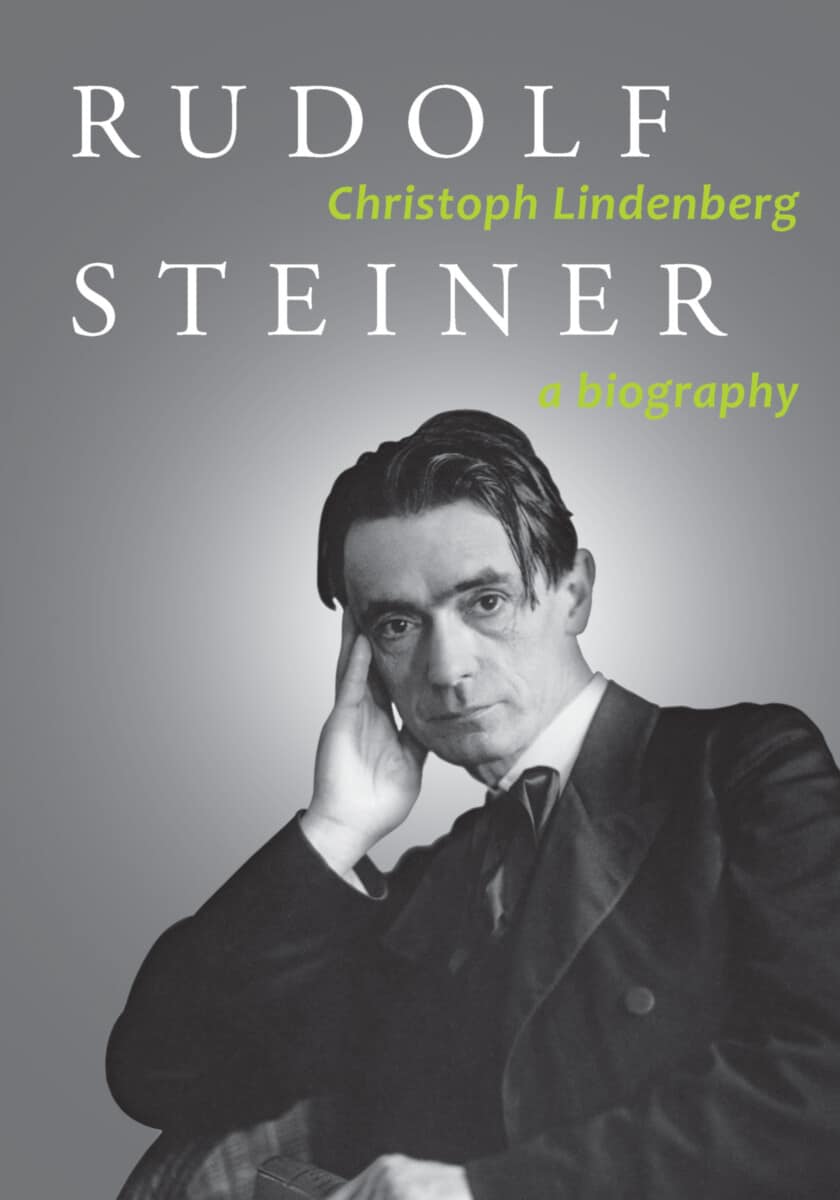
Rudolf Steiner: A Biography “I don’t want to be revered! I want to be understood.” —Rudolf Steiner, 1915 Whoever follows Rudolf Steiner’s life will gain the impression that, from a certain point on, his constant attempt was to awake, in numerous ways, an active, working understanding for Anthroposophy. He used creative imagination to treat particular themes and
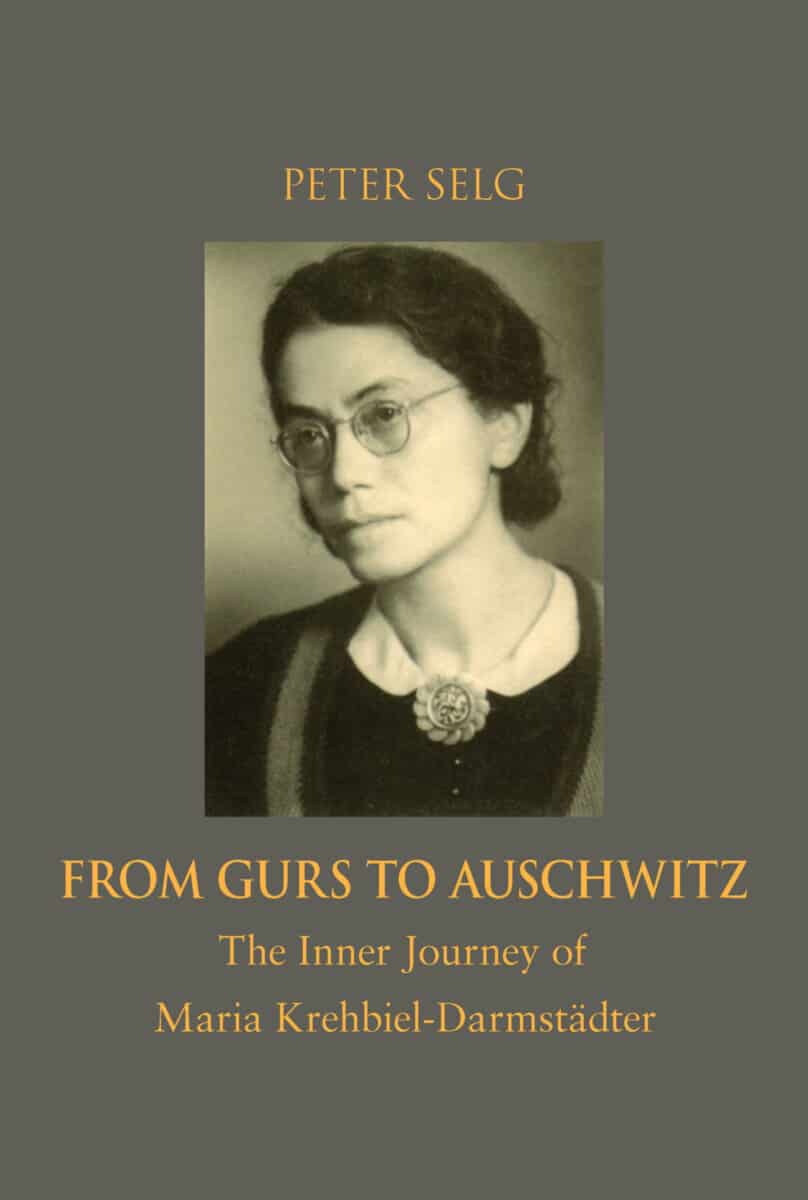
From Gurs to Auschwitz: The Inner Journey of Maria Krehbiel-Darmstädter “It is this we have to learn in our times: to live with pure trust, without any existential certainty, trusting in the ever-present help of the world of spirit. Truly, there is no other way.” —Rudolf Steiner Maria Krehbiel-Darmstädter (1892–1943), who was murdered at Auschwitz, was
Communicating Anthroposophy: The Course for Speakers to Promote the Idea of Threefolding 12 lectures and a Q&A session, Stuttgart, Jan. 1–2, and Feb. 12–17, 1921 (CW 338) “Be clear with yourselves about this: if these two preconditions are not met , or if they are replaced by some
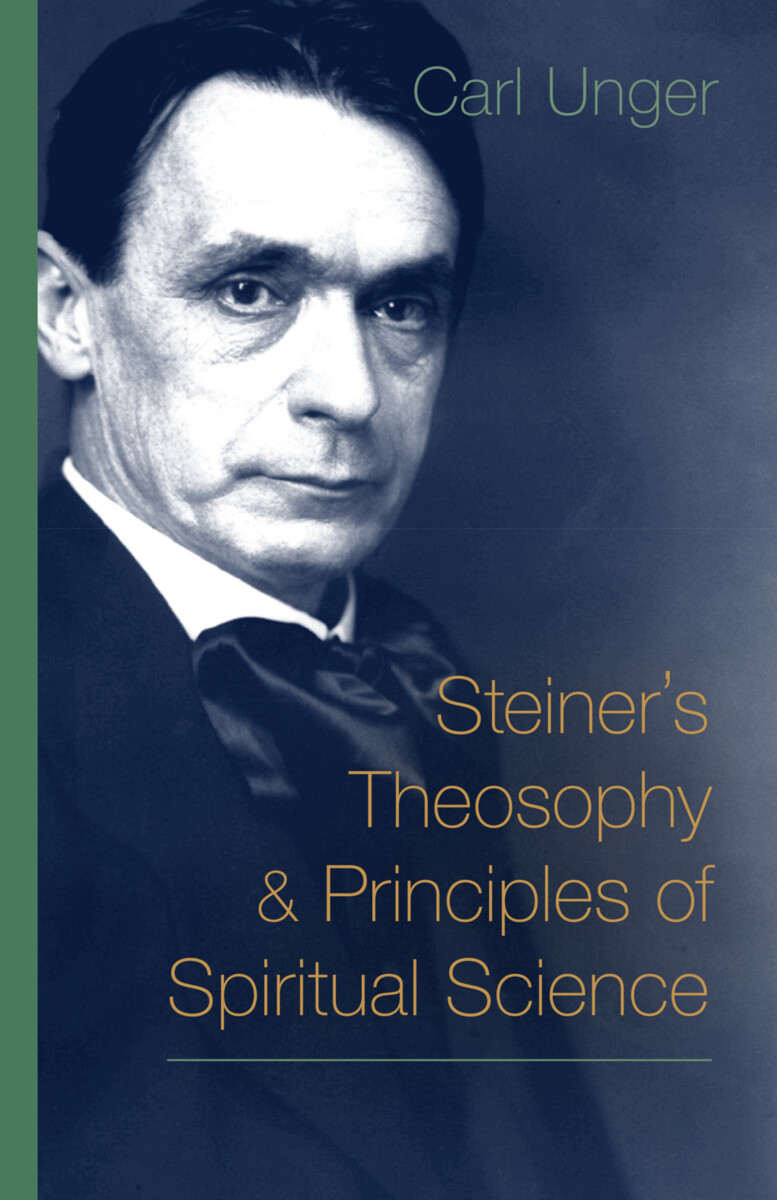
Steiner’s Theosophy and Principles of Spiritual Science “ Dr. Steiner began his lecture tours. Meanwhile, his book Theosophy was published, and I threw myself into it with the greatest enthusiasm, wrestling with it for months with every page, every sentence, and many words. When I had the foundation for a judgment, which I had somewhat
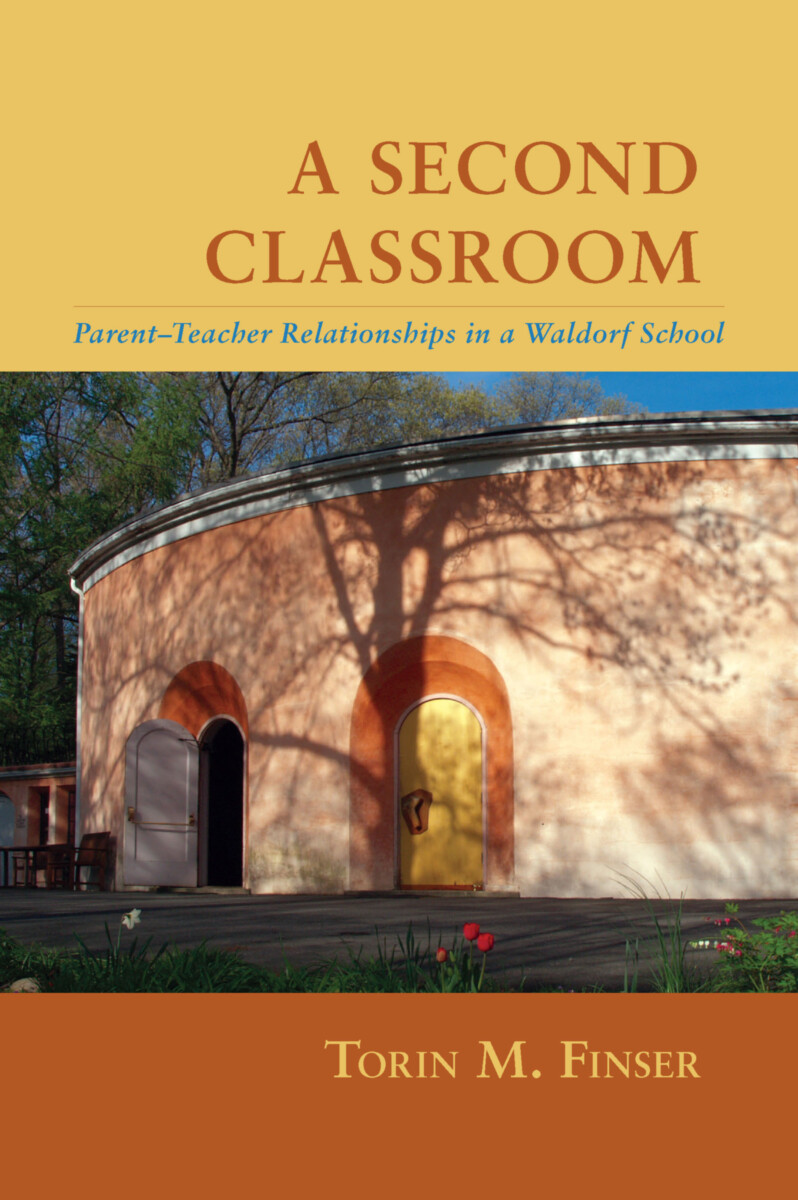
A Second Classroom: Parent-Teacher Relationships in a Waldorf School What does a healthy, successful school look like? Is it all about measurable outcomes, test scores, and pass/fail grades set by the government? Can learning be quantified in short-term measurements or does real learning take years to manifest in a career or biography? All seem to agree
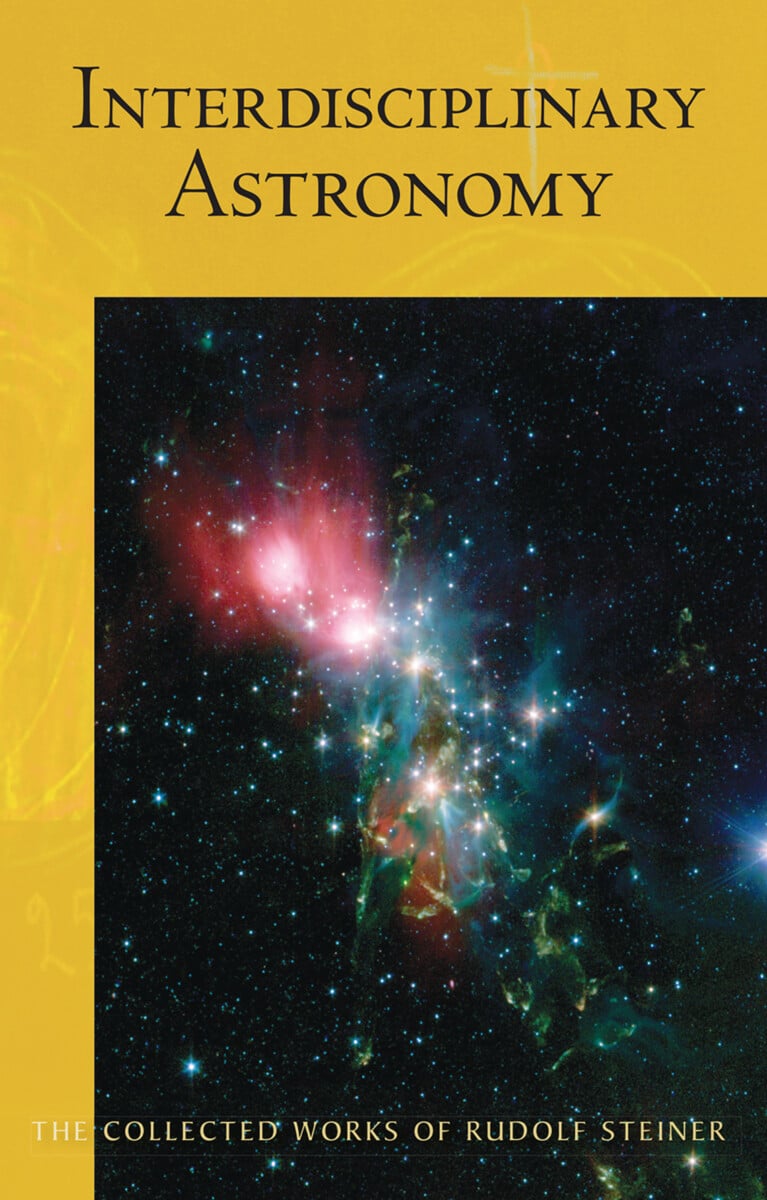
Interdisciplinary Astronomy: Third Scientific Course 18 lectures, Stuttgart, January 1–18, 1921 (CW 323) “So you see, the most important thing to me has been to call forth within you an experience of the harmony between the human constitution and the structure of the cosmos. If you’ve really been following thus far, you can’t possibly regard
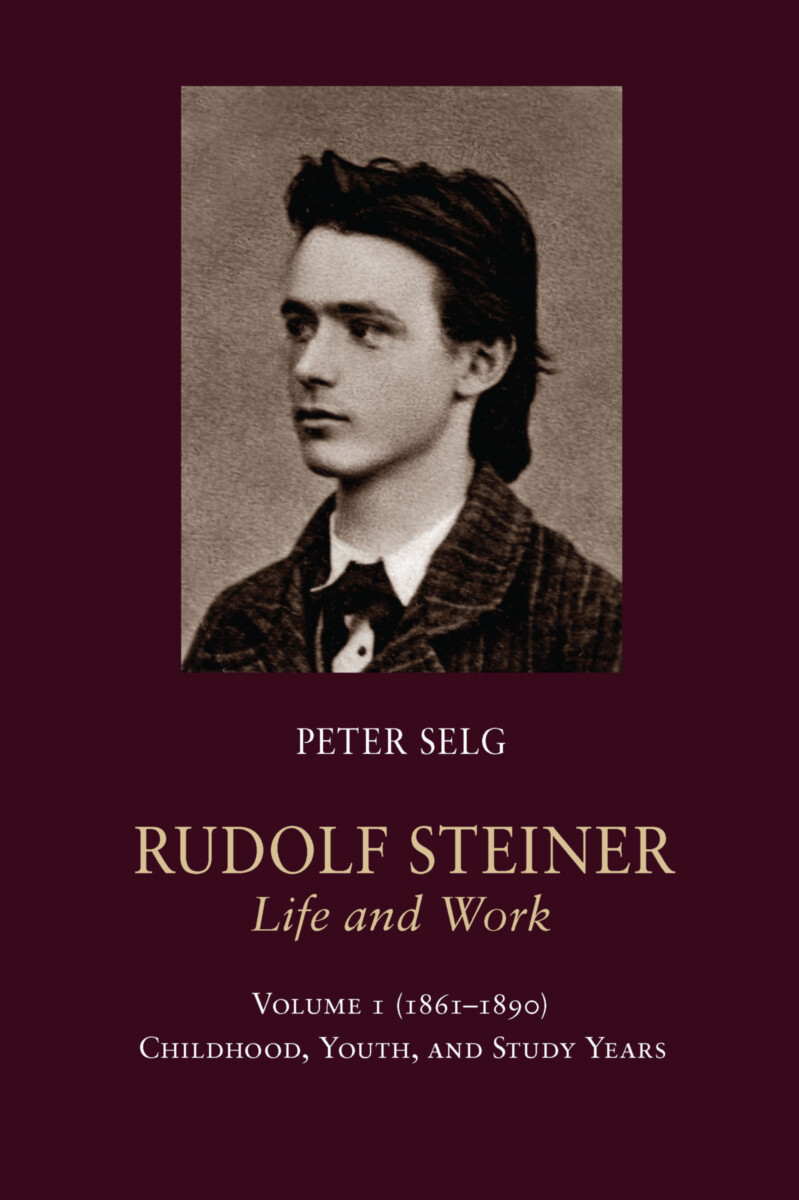
Rudolf Steiner, Life and Work – 1861–1890: Childhood, Youth, and Study Years “I have never in my life pursued personal ambitions, nor will I in future.” — Rudolf Steiner To acknowledge and understand Rudolf Steiner’s unique achievement and life’s work, one must be able to accept that the founder and spiritual researcher of Anthroposophy was “a citizen
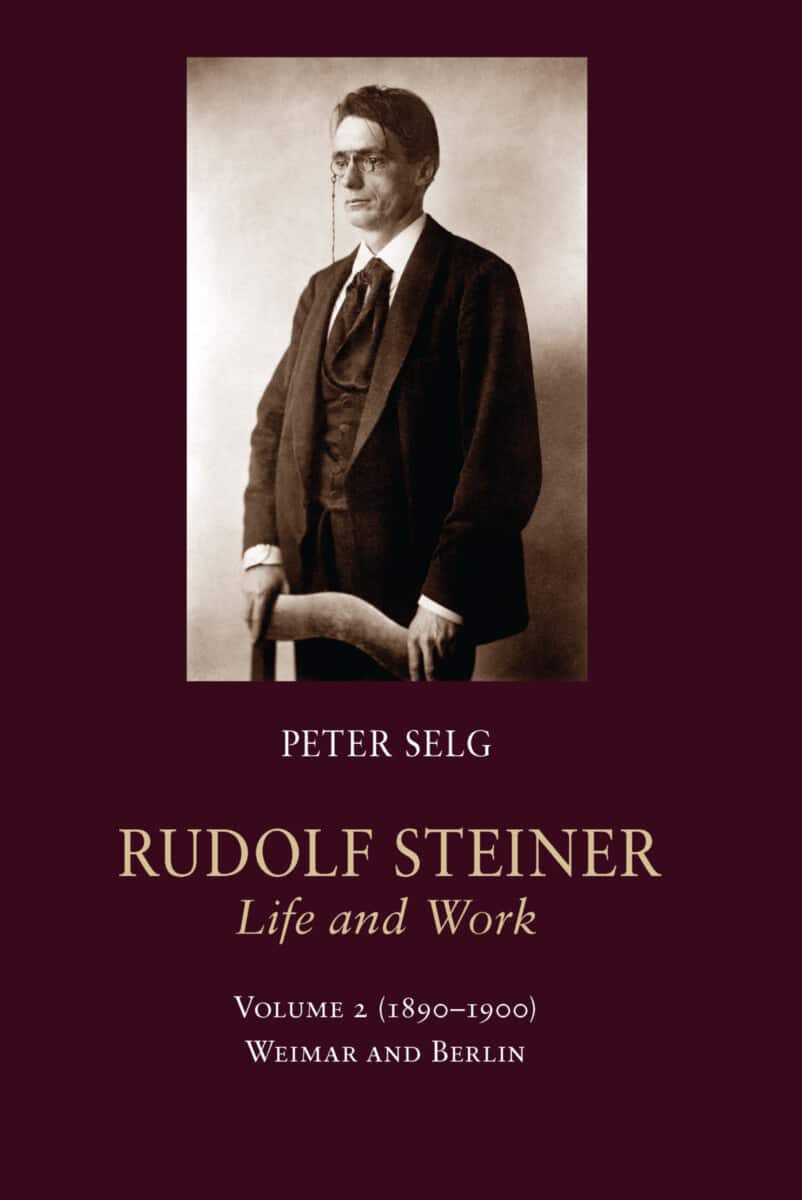
Rudolf Steiner, Life and Work – 1890–1900: Weimar and Berlin “It seemed to me that the turn of the century had to bring a new spiritual light to humankind. It seemed that a climax had been reached in excluding spirit from human thought and activity. A complete change in human evolution seemed an absolute necessity.”
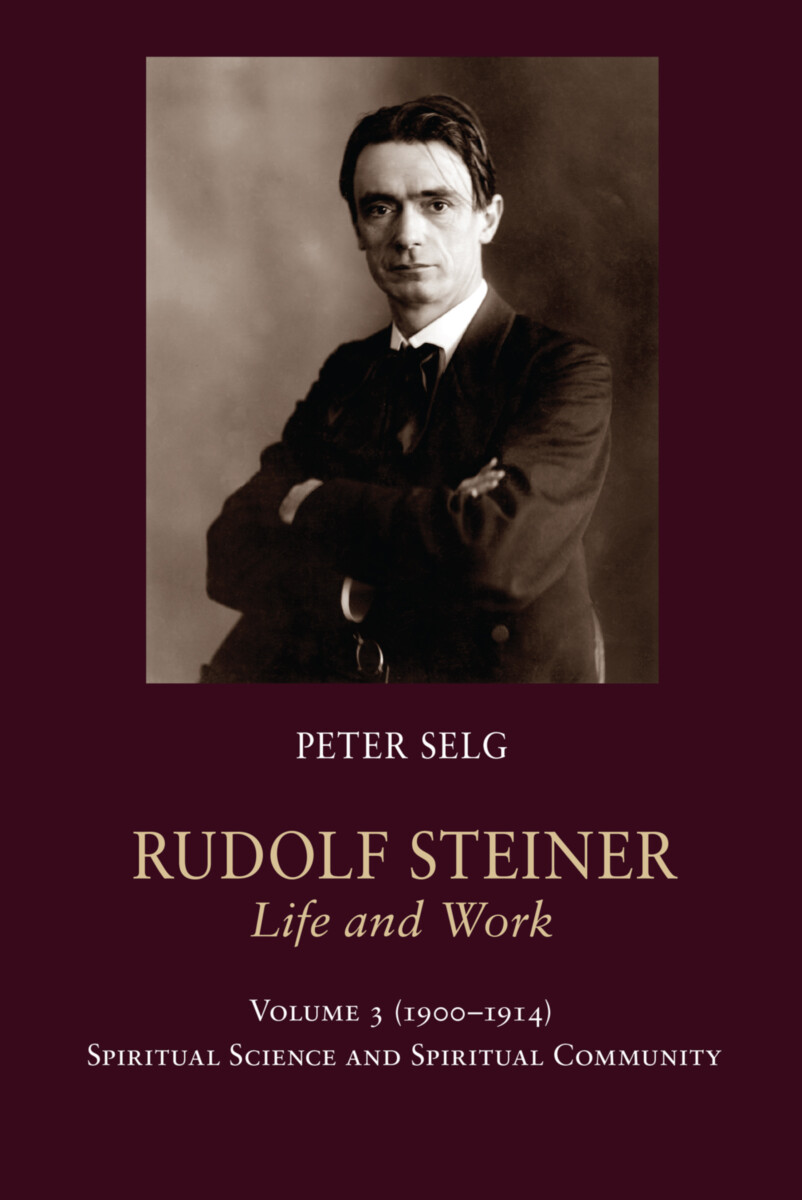
Rudolf Steiner, Life and Work – 1900-1914: Spiritual Science and Spiritual Community “Without new impulses humanity will be overwhelmed and paralyzed—in ways we cannot even imagine today—by the domination of mere outer technology. Humanity will perish because all religious, scientific, philosophical, artistic, and—in a higher sense—ethical interests would be torn from the human soul. Without
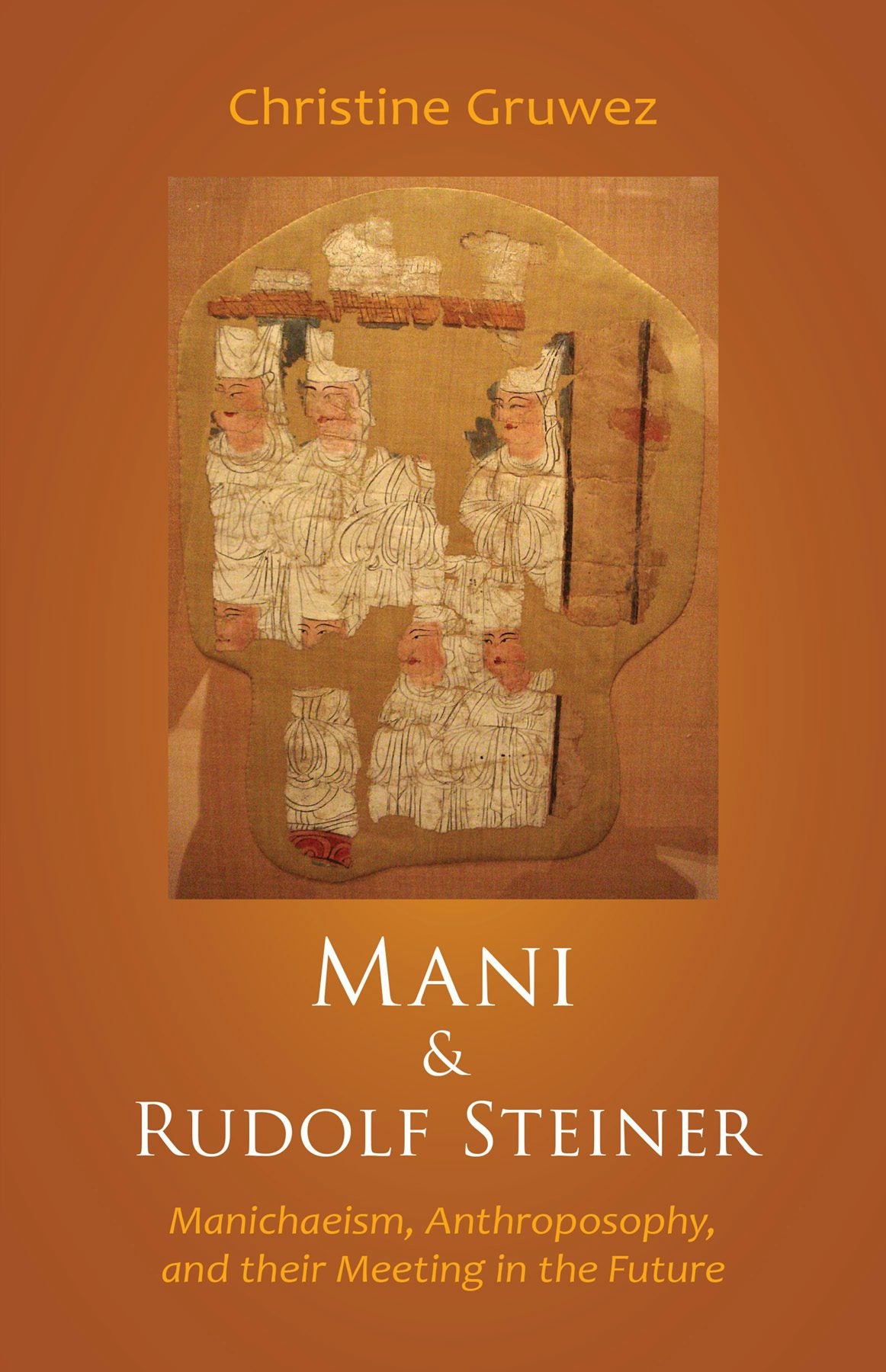
Mani and Rudolf Steiner: Manichaeism, Anthroposophy, and their Meeting in the Future “The profound thought that lies in this is that the kingdom of darkness has to be overcome by the kingdom of light; not by means of punishment, but through mildness; not by resisting evil, but by uniting with it in order to redeem
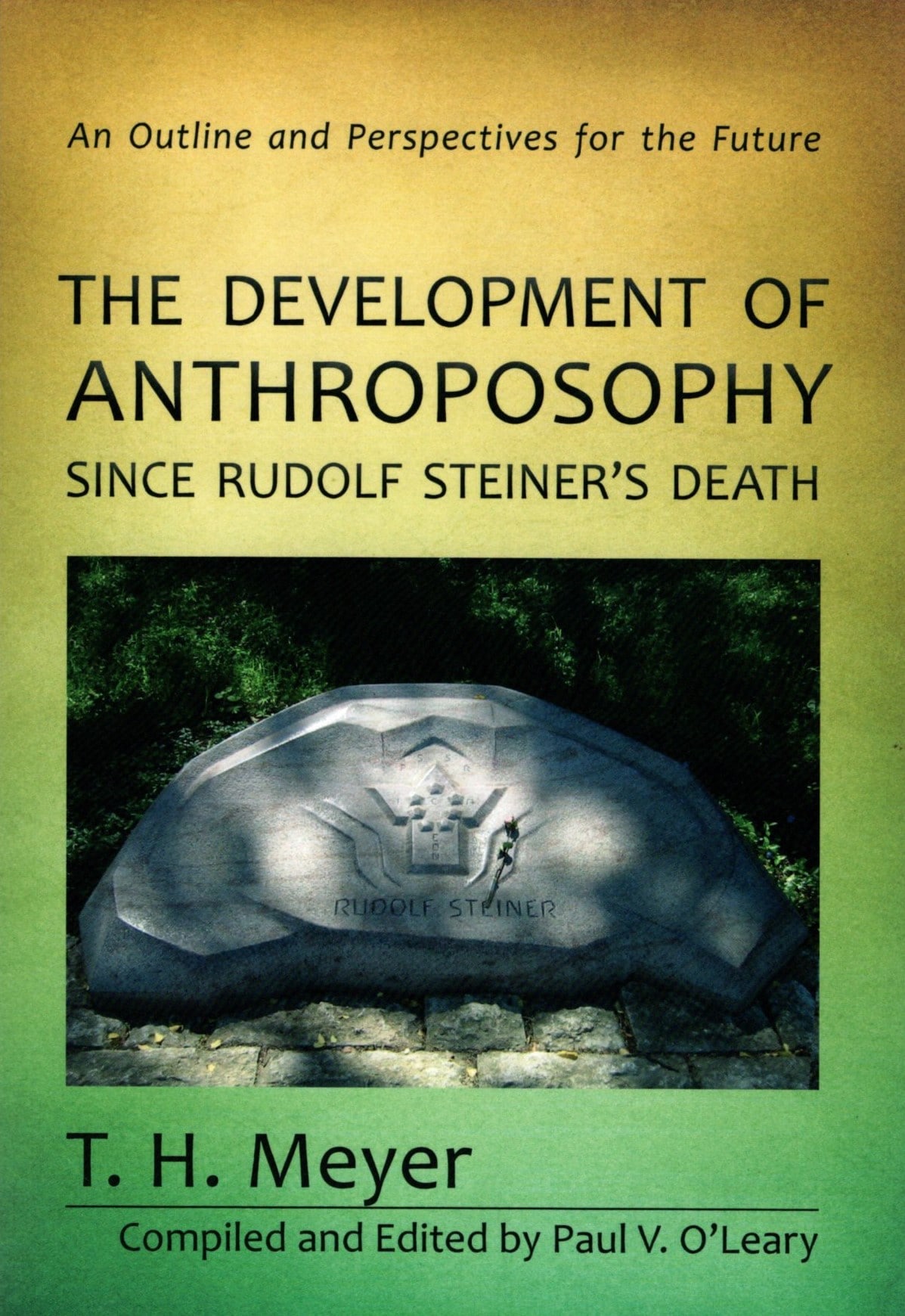
The Development of Anthroposophy since Rudolf Steiner’s Death: An Outline and Perspectives for the Future This volume begins with Thomas Meyer’s assessment of Anthroposophy’s evolution since Rudolf Steiner’s death and its future prospects. He offers an overview of the eighty-seven years of the development of the anthroposophic movement and the Anthroposophical Society, the worldwide organization
The Counselor . . . as if Soul and Spirit Matter: Inspirations from Anthroposophy “In an anthroposophic approach to counseling and psychotherapy, we integrate the whole paradigm of spiritual science into the contemporary forms of psychology, thereby re-formulating a psychology inclusive of body, soul, and spirit.” —Dr. William Bento, Executive Director of Anthroposophic Psychology Associates
Guided Self-Study: Rudolf Steiner’s Path of Spiritual Development: A Spiritual-Scientific Workbook “First, one might ask: Why not just read the first three books? After all, Rudolf Steiner wrote them in such a way that the very act of reading them can awaken new faculties. Who could ever duplicate that? It might even seem presumptuous to
Steiner and Kindred Spirits “Philosophy has to proceed comparatively. The best we can do is to develop the rival alternative conceptions in each important domain as fully and carefully as possible, depending on our antecedent sympathies, and see how they measure up. That is a more credible form of progress than decisive proof or refutation.”