
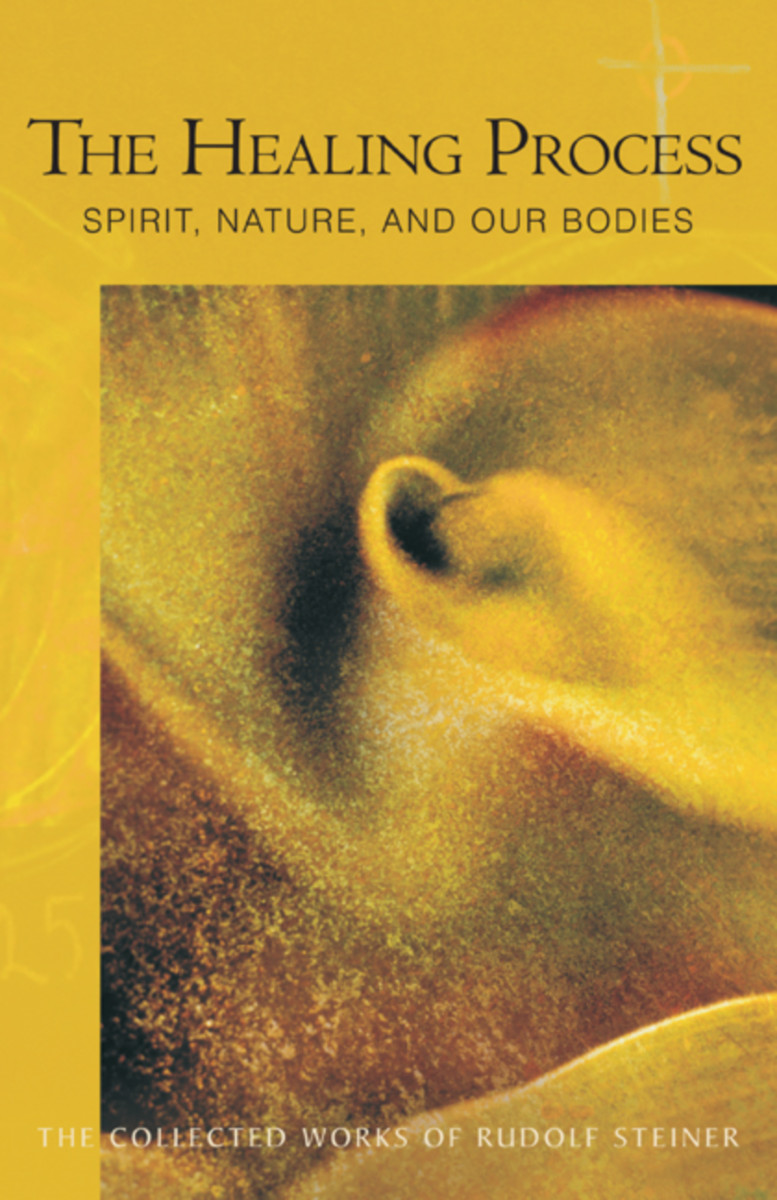

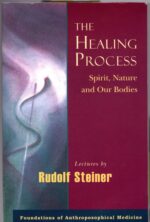
The Healing Process: Spirit, Nature & Our Bodies
Lectures, August 28, 1923 – August 29, 1924 (CW 319)
Rudolf Steiner, a scientist by training, lectured and wrote at different times on medical subjects and advised physicians on their work. His view of medicine was both unconventional and precise. He could describe—based on his highly developed powers of observation and his spiritual research—processes of health and disease that escape conventional methods of medical observation.
In all his lectures to doctors and in his explanations of anthroposophic medicine, Steiner emphasized that his medical concepts are not intended to replace conventional Western medicine, but to extend it; diagnosis and healing methods are expanded to include our soul and spirit.
In these broadly ranging talks, Steiner introduces fundamental principles of anthroposophically extended medicine. Topics include health problems such as hay fever, migraine, sclerosis, cancer, tuberculosis, typhoid and childhood diseases; the polarity between nerve and liver cells; the functions of the spleen and the gallbladder; the three basic processes of the sensory-nervous, rhythmic and metabolic-limb systems; regenerative and degenerative processes; the true nature of the nervous system; and many suggestions for the use of minerals, plants and artistic therapies in healing.
The Healing Process is a translation of Anthroposophische Menschenerkenntnis und Medizin (GA 319).
About the Author
Rudolf Steiner (1861–1925) was born in the small village of Kraljevec, Austro-Hungarian Empire (now in Croatia), where he grew up. As a young man, he lived in Weimar and Berlin, where he became a well-published scientific, literary, and philosophical scholar, known especially for his work with Goethe’s scientific writings. At the beginning of the twentieth century, he began to develop his early philosophical principles into an approach to systematic research into psychological and spiritual phenomena. Formally beginning his spiritual teaching career under the auspices of the Theosophical Society, Steiner came to use the term Anthroposophy (and spiritual science) for his philosophy, spiritual research, and findings. The influence of Steiner’s multifaceted genius has led to innovative and holistic approaches in medicine, various therapies, philosophy, religious renewal, Waldorf education, education for special needs, threefold economics, biodynamic agriculture, Goethean science, architecture, and the arts of drama, speech, and eurythmy. In 1924, Rudolf Steiner founded the General Anthroposophical Society, which today has branches throughout the world. He died in Dornach, Switzerland.


Reviews
There are no reviews yet