
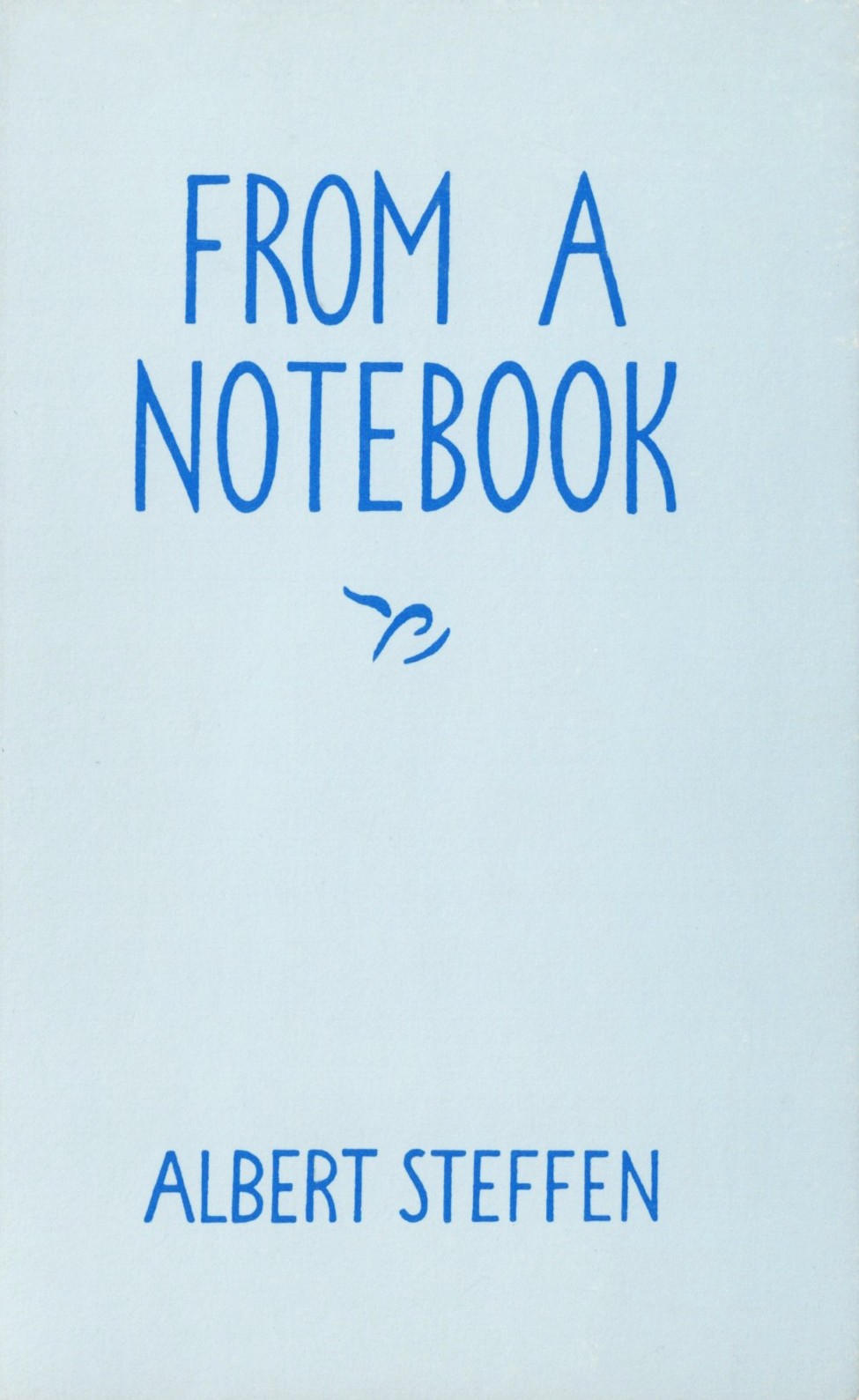


From A Notebook
This collection of Steffen’s diary entries offers glimpses into the nature of language, love, and life. Like a cupboard of medicines and elixirs, these small doses of wisdom have a healing, rejuvenating effect.
We would be less perturbed over the great catastrophes of mankind, over the pogroms and civil wars, over crime of all kinds, if we studied the faces which gaze at the bill-boards and headlines. There is an account of a murder case, for instance. The murderer is depicted. A warrant is issued for him. One person wishes to see him hanged, or is happy that he has escaped, another secretly hopes that he will alter his clothing and hair so that no one will recognize him; or perhaps someone even equips him with money and weapons in his imagination. All such fluctuating thoughts come and go without our being conscious of them. And already our gaze is caught by a new sensation. We are inwardly taken possession of by everything out of such superficiality. Here is where karmic thought should enter in: What will eventually become of this human being, quite irrespective of whether he is caught or not?
About the Author
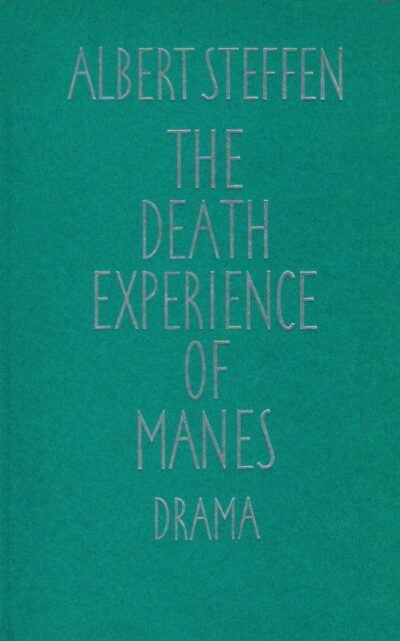
Albert Steffen, (born Dec. 10, 1884, Murgenthal, Switzerland—died July 13, 1963, Dornach), Swiss novelist and dramatist, one of the leading writers of the anthroposophical movement founded by Rudolf Steiner. Steffen’s early works were compassionate messages of alarm at the disastrous effects of modern technological civilization and secularized thought in human relations. Moved by these problems, he joined the anthroposophical movement in 1907, settling at its centre in Dornach, near Basel. (Steffen was later president of the Anthroposophical Society and was editor of its review, Das Goetheanum.) From that time his numerous writings became visions of a world permeated by metaphysical powers of good and evil, as revealed in old and esoteric European and Asiatic traditions. His novels include Die Erneuerung des Bundes (1913) andAus Georg Archibalds Lebenslauf (1950); his plays, Hieram und Salomo (1927), Das Todeserlebnis des Manes (1934), and Barrabas (1949; Christ or Barrabas?, 1950); and his essays, Der Künstler zwischen Westen und Osten (1925; The Artist Between West and East, 1946). Buch der Rückschau (1939) is autobiographical.
Reviews
There are no reviews yet