Nature and environment titles in this collection explore the living earth, ecological responsibility, and the human relationship to the natural world through the lens of anthroposophy, Goethean science, and contemporary environmental thought. These books address not only the physical processes of ecology but the deeper question that Rudolf Steiner placed at the center of his work: how can human beings develop a truly conscious, participatory relationship with nature rather than one of extraction and domination?
Featured authors include Jochen Bockemühl, whose pioneering Goethean studies of landscape and plant metamorphosis have inspired a generation of ecological researchers, and Dennis Klocek, whose work bridges meteorology, agriculture, and spiritual science. You will find titles on climate change, water ecology, landscape healing, forest stewardship, the elemental world, and the spiritual ecology of specific bioregions. Rudolf Steiner’s lectures on the nature spirits and the etheric forces active in earth processes provide a foundational perspective found nowhere else in environmental literature.
This collection serves environmental educators, conservation professionals, biodynamic practitioners seeking ecological context, and thoughtful readers looking for alternatives to both technological optimism and ecological despair. The Rudolf Steiner Bookstore curates these titles to offer a perspective on nature that is both scientifically engaged and spiritually informed. See the Ecology & Earth Sciences subcategory for more focused selections.
Psychology and mental health, explored through anthroposophic and related perspectives, offer a deeper understanding of the soul and spirit in human psychological life. This collection of approximately 160 titles spans counseling approaches rooted in spiritual science, biography work and life review, psychosomatic medicine, trauma recovery, and the psychology of consciousness development. Rather than reducing mental life to brain chemistry or behavioral conditioning alone, these works illuminate the full inner landscape of thinking, feeling, and willing.
Foundational texts include Rudolf Steiner’s Psychosophy and A Psychology of Body, Soul, and Spirit, which establish the anthroposophic framework for understanding mental processes. Contemporary authors such as Adam Blanning, Bernard Lievegoed (Phases of Childhood and Man on the Threshold), and Athys Floride address practical therapeutic work. The collection also includes titles on addiction, anxiety, depression, and neurodevelopmental conditions examined through integrative lenses. Subcategories for Psychological Approaches and Biography Work & Life Review offer focused pathways into distinct areas of practice.
Whether you are a counselor, psychotherapist, social worker, physician, or individual seeking self-understanding, these works provide perspectives that complement and deepen mainstream psychological knowledge. Related titles can also be found in our Arts Therapies and Anthroposophic Medicine categories.
Remedies and therapeutics in the anthroposophic tradition encompass the preparation, understanding, and application of natural medicines derived from plants, minerals, and metals according to methods developed from Rudolf Steiner’s pharmacological indications. This focused collection of approximately 15 titles provides essential reference works for practitioners, pharmacists, and patients seeking to understand the principles behind Weleda and Wala remedy preparation.
Titles address the nature of substance processes in the human organism, potentization and rhythmical preparation methods, and the therapeutic rationale for specific remedy combinations. Works by Henning Schramm, Rudolf Hauschka (The Nature of Substance), and other researchers illuminate how mineral, plant, and animal substances relate to physiological and psychological processes. Practical reference compendia guide clinicians through prescribing protocols for common and complex conditions.
For detailed studies of individual medicinal plants, see Medicinal Plants & Remedies. The broader Anthroposophic Medicine category provides the clinical context in which these remedies are prescribed and applied.
Wellness and nutrition from an anthroposophic perspective address not only the biochemical properties of food but also the life forces, sensory qualities, and spiritual dimensions of nourishment. Rudolf Steiner’s lectures on nutrition — including his indications on the effects of specific foods on thinking, feeling, and willing — established a distinctive approach that has been further developed by physicians and nutritional researchers over the past century.
This collection of approximately 80 titles includes Gerhard Schmidt’s The Dynamics of Nutrition, Udo Renzenbrink’s works on conscious eating and cooking, and contemporary guides to biodynamic food preparation. Topics range from the nutritional needs of children at different developmental stages to fasting, food sensitivities, and the role of warmth in digestion. Titles on rhythmical living, sleep hygiene, seasonal self-care, and the anthroposophic understanding of the senses complement the nutritional focus, offering a holistic view of everyday wellbeing.
For therapeutic applications, see the Anthroposophic Medicine and Remedies & Therapeutics categories. Those interested in the agricultural source of healthy food will find related titles in our Biodynamics & Gardening section.
Economics and work as understood through anthroposophy challenge conventional assumptions about capital, labor, and value by placing human relationships and ecological responsibility at the center of economic life. This collection of approximately 90 titles spans Rudolf Steiner’s foundational lectures on economics through contemporary applications in ethical business, social enterprise, and the transformation of work itself.
Steiner’s 1922 Economics lecture course — delivered to students and businesspeople in Dornach, Switzerland — introduced concepts that anticipated aspects of stakeholder capitalism, commons-based economics, and ecological economics by decades. Christopher Houghton Budd’s writings on associative economics, which form a dedicated subcategory here, develop these ideas into a practical economic discipline. Bernard Lievegoed’s The Developing Organization addresses organizational life cycles and renewal, while titles on ethical banking, fair trade, and cooperative enterprise connect anthroposophical economic thought to today’s social economy movement.
Entrepreneurs, MBA students seeking alternative frameworks, cooperative business owners, and anyone questioning the premises of mainstream economics will find substantive reading here. For the broader social context, see our Threefold Social Order section. The Rudolf Steiner Bookstore maintains this collection as a resource for those working to reshape economic life from within.
Eurythmy is an art of movement created by Rudolf Steiner in collaboration with Marie Steiner-von Sivers, first demonstrated publicly in 1912 and developed continuously through Steiner’s lectures and courses until 1925. Often described as “visible speech” and “visible music,” eurythmy transforms the sounds of language and the elements of music into expressive bodily movement, making audible realities visible through gesture, spatial form, and color.
This collection of approximately 70 titles covers eurythmy as a performing art, a pedagogical discipline practiced in over 1,200 Waldorf schools globally, and a foundation for the therapeutic eurythmy practiced in clinics and medical settings. Key works include Steiner’s Eurythmy as Visible Speech (GA 279), Eurythmy as Visible Music (GA 278), and the foundational tone eurythmy lectures. Authors such as Lea van der Pals, Alan Stott, Dorothea Mier, and Elena Zuccoli provide practical manuals, philosophical context, and pedagogical guidance. The collection also addresses eurythmy figures — the pastel-on-black illustrations Steiner created to depict the color and movement qualities of each speech sound.
For eurythmy’s therapeutic applications, see Eurythmy & Movement Therapy under Health & Healing. The Music & Singing and Speech, Drama & Storytelling categories offer complementary perspectives on the sister arts eurythmy makes visible.
Festivals and seasonal celebrations in the anthroposophic tradition are understood as moments when the spiritual rhythms of the earth and cosmos become especially accessible to human experience. Rudolf Steiner described four cardinal festivals — Michaelmas (September 29), Christmas, Easter, and St. John’s Tide (June 24) — as anchoring the year’s spiritual breathing, each offering distinct inner qualities for contemplation and communal celebration.
This collection of approximately 80 titles includes Steiner’s festival lectures, practical guides for celebrating seasonal transitions in home and school, and resources for creating nature tables, crafts, songs, and ceremonies attuned to the turning year. Works by Friedel Lenz, Brigitte Barz, and other authors explore the deeper meaning of each festival and its relationship to the Christian calendar, pre-Christian traditions, and the cosmic rhythms described in Steiner’s Calendar of the Soul. The Advent and Christmas season, with its rich traditions of wreath-making, nativity plays, and the Oberufer Christmas plays performed in Waldorf schools, receives dedicated coverage in the Advent & Christmas subcategory.
For meditative verses connected to the seasonal cycle, see Poetry, Verses & Meditations. Waldorf educators will find complementary festival resources throughout the Education & Waldorf Pedagogy section.
Showing 2011–2040 of 3646 resultsSorted by latest
Anthroposophy, Esoteric Studies
About Rudolf Steiner, Anthroposophy, Christianity & Religion, Esoteric Studies
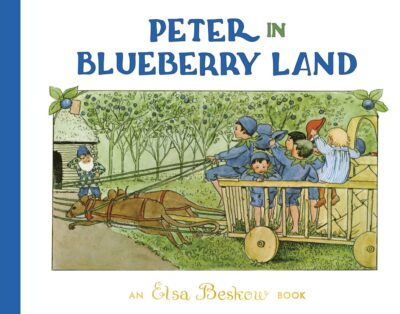
Waldorf & Family, Anthroposophy, Board Books, Picture Books
About Rudolf Steiner, Arts & Society, Collected Works, Goethean Science, Anthroposophy, Esoteric Studies
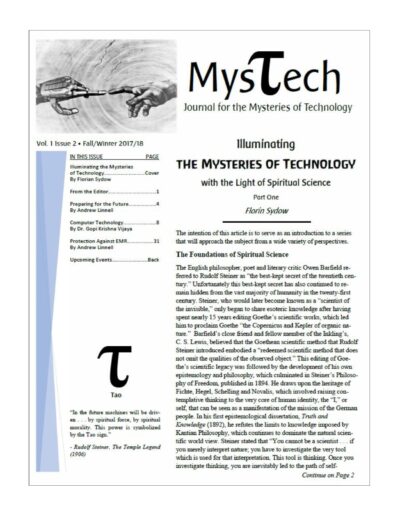
Physics & Technology, Anthroposophy, Esoteric Studies, Nature & Environment
Anthroposophy, Esoteric Studies, Inner Development & Meditation
Collected Works, Rudolf Steiner's Lectures, Anthroposophy, Esoteric Studies, Inner Development & Meditation
Adolescent Development, Anthroposophy, Arts in Education, Curriculum Resources, Fairy Tale Picture Books, Nature & Environment, Subject Books, Teacher Professional Development, Waldorf & Family, Young Adults
Curriculum Resources, Anthroposophy, Teacher Professional Development, The Seven-Year Stages, Waldorf & Family, Waldorf Curriculum
Subject Books, Teacher Professional Development
Curriculum Resources, Subject Books, Teacher Professional Development, Waldorf & Family, Waldorf Curriculum, Anthroposophy, Homeschooling
Christianity & Religion, Anthroposophy, Esoteric Studies, Esoteric Christianity
Astronomy & Astrosophy, Curriculum Resources, Teacher Professional Development, Waldorf & Family, Waldorf Curriculum, Anthroposophy, Homeschooling
Child Development & Psychology, Teacher Professional Development, Waldorf & Family, Waldorf Curriculum, Waldorf Pedagogy & Methods, Adolescent Development
Festivals & Seasonal Celebrations
Art & Craft Supplies
Journals & Publications
Membership
About Rudolf Steiner, Anthroposophy, Esoteric Studies, Poetry & Literature, Subject Books
Anthroposophy, Teacher Professional Development, The Seven-Year Stages, Waldorf & Family, Waldorf Pedagogy & Methods
Physics & Technology, Arts & Society, Anthroposophy, Esoteric Studies
Arts & Society, Anthroposophy, Arts in Education, Curriculum Resources, Eurythmy, Eurythmy in Education, Poetry, Verses & Meditations, Teacher Professional Development, Visual Arts, Waldorf & Family
Arts & Society, Eurythmy & Movement Therapy, Eurythmy in Education, Poetry, Verses & Meditations, Anthroposophy, Esoteric Studies, Eurythmy, Health & Biodynamics
About Rudolf Steiner, Collected Works, Rudolf Steiner's Lectures, Anthroposophy, Inner Development & Meditation
Health & Biodynamics, Anthroposophy, Esoteric Studies, Evolution & History of Consciousness, Goethean Observation, Goethean Science, Natural & Spiritual Science, Nature & Environment, Physics & Technology
Arts & Society, Anthroposophy, Curriculum Resources, Goethean Science, Natural & Spiritual Science, Nature & Environment, Painting & Color Theory, Physics & Technology, Waldorf & Family
Physics & Technology, Anthroposophy, Nature & Environment