
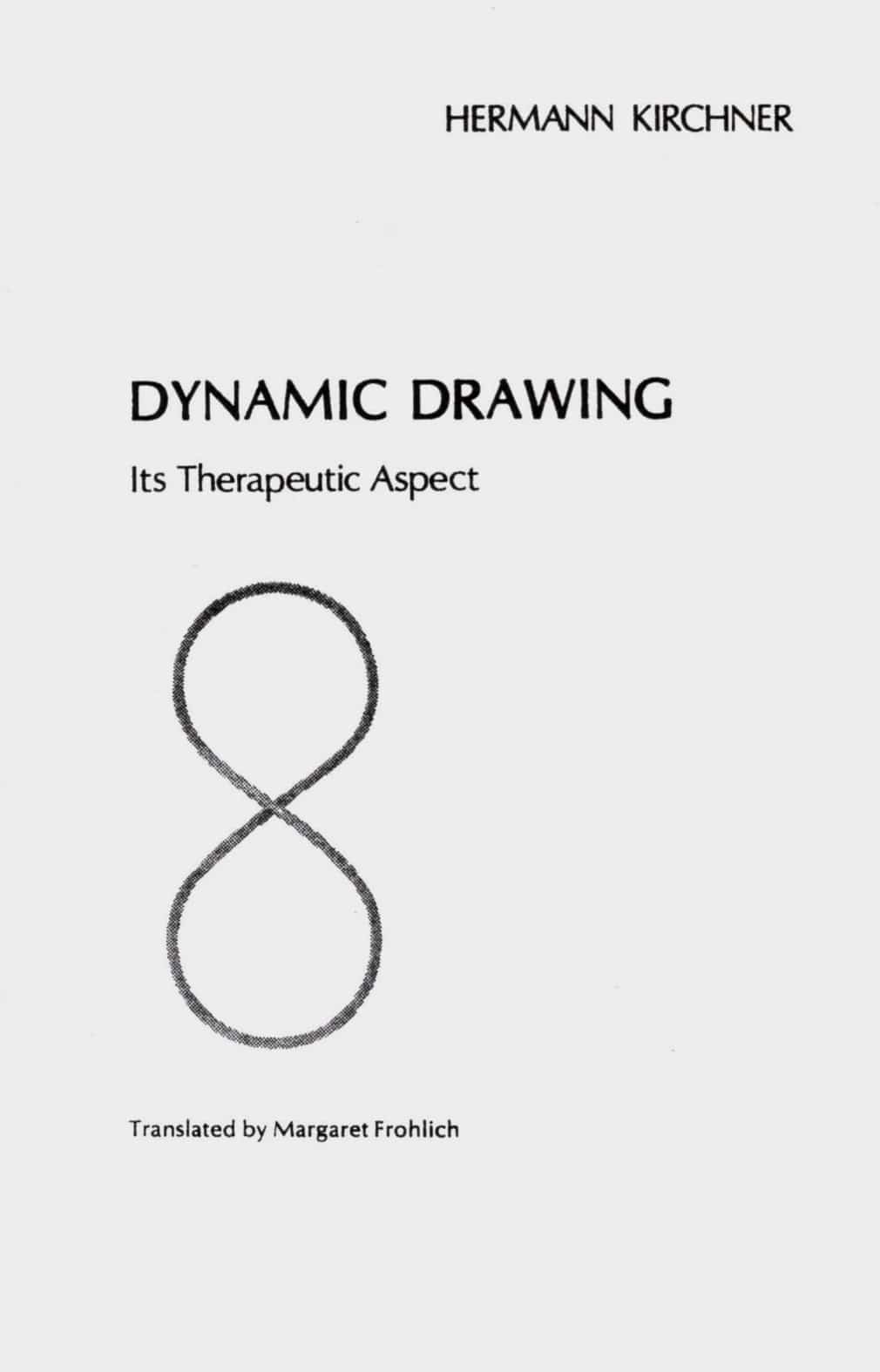


Dynamic Drawing: Its Therapeutic Aspect
The healing aspects of drawing according to Rudolf Steiner’s indications. Curative elements contained within line, rhythm, and repetition are introduced as ways of strengthening will forces and balance in children.
Hermann Kirchner wrote this essay out of his decades of experience directing a home for mentally handicapped children in Hepsisau, Germany. It approaches dynamic drawing — also called form drawing — as a curative-educational tool, supplementing the form drawing used in Waldorf schools with its therapeutic application for children with developmental challenges, and it draws on Steiner’s Curative Education course on the relationship between the will, the metabolic-limb system, the sense of movement, and the spiritual entity of the child.
Translated by Margaret Frohlich from an article in Heilende Erziehung (Verlag Freies Geistesleben, Stuttgart, 1962) and published by The Rudolf Steiner School in New York as a companion to the 1974 pamphlet Form Drawing.
About the Author
Hermann Kirchner directed a home for mentally handicapped children in Hepsisau, Germany, and wrote out of decades of work there. The essay translated here first appeared in German in Heilende Erziehung (Verlag Freies Geistesleben, Stuttgart, 1962).

Reviews
There are no reviews yet